Context
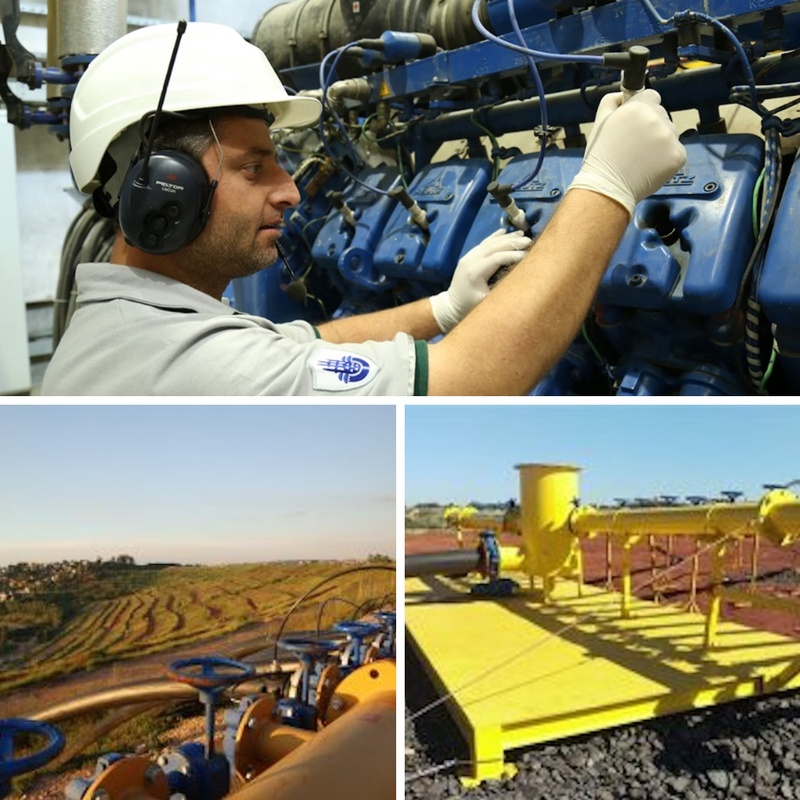
In 2015, Brazil was the 5th biggest waste producer worldwide, producing a staggering 79.9 million tonnes yearly, equating to 1.071kg of waste per person per day. This waste has a detrimental effect on global warming as it releases methane gas into the atmosphere, 34 times more potent than carbon dioxide when it decomposes. To combat this issue, the Macaúbas Landfill Gas Project was developed to reduce emissions from entering the atmosphere by collecting landfill gas for use and flaring systems that generate electricity for export to grids instead.
The Benefits of the Macaúbas Landfill Gas Project
The primary benefit of this project is reducing carbon dioxide emissions into the atmosphere from the landfill site called “Central de Tratamento de Resíduos Macaúbas”, located in the municipality of Sabará in the state of Minas Gerais, Brazil. The project also helps create jobs and income-generation opportunities for qualified operators to maintain and operate machinery. Beyond this, there are other potential benefits as well. For example, countries like Brazil can benefit from increased energy security due to reduced dependence on imported fuels such as oil or natural gas. Additionally, increasing renewable energy production has many positive environmental effects, such as reducing air pollution from burning fossil fuels and mitigating climate change. Furthermore, the project also provides economic benefits such as improved infrastructure for transportation and distribution of goods and services throughout Brazil, which can lead to increased economic activity and trade opportunities with other countries. Finally, the project can create new markets for products produced through renewable energy production, which can help stimulate job growth in Brazil’s economy.
How It Works
The Macaúbas Landfill Gas Project works by collecting landfill gas and then using it to generate electricity through flaring systems that export power back onto local grids instead of allowing it to enter into the atmosphere, where it could contribute to global warming. This process collects methane gas generated by decomposing waste before it enters the environment while simultaneously generating electricity that can be used locally or exported back onto grids in other countries. This process creates an environmentally friendly cycle that helps reduce emissions while providing economic benefits due to increased renewable energy production and trade opportunities with other countries that purchase renewable energy generated in Brazil.
Final Thoughts
Overall, The Macaúbas Landfill Gas Project is an innovative solution for reducing carbon dioxide emissions entering into our atmosphere while creating jobs and income generation opportunities for qualified operators throughout Brazil who maintain and operate machinery related to this project. Additionally, it provides other potential benefits such as increased energy security from reduced dependence on imported fuels like oil or natural gas; improved infrastructure for transportation and distribution of goods; stimulation of job growth through new markets created by renewable energy production; and mitigation of climate change through decreased air pollution from burning fossil fuels. Business owners should consider supporting projects like these since they have so much potential to benefit not only our planet but also their businesses too!
Verification
This project is verified by the Verified Carbon Standard. You can view it on the Verra registry here.