Context
Peru is a large country in South America (roughly the same size as Colombia – or twice the size of Texas) with approximately 33 million inhabitants and is renowned for its rich history. Peru’s tropical climate is marked by various climates, starting from the coastal plains between the ocean and the Andes to the highlands at the base of the mountain range, and further into the eastern jungle covering an area of Amazon rainforest. This unique topography has earned Peru recognition as a megadiverse country, with a total of 20,585 species of wild flora and 5,585 species of fauna currently recorded.
However, the environment of this South American nation is not without peril. Land use change due to human activities such as deforestation has placed pressure on ecosystems in multiple regions, while pollution has had a deleterious effect on continental water ecosystems. Extractive activities have also had an adverse impact on Peru’s mountain and forest environments. In addition to these issues, climate change is also having an increasing influence on the country’s environment – raising temperatures to potentially catastrophic levels in certain areas near the equator and threatening the livelihoods of indigenous communities in those regions.
Fortunately, there are measures being taken to preserve Peru’s environment and secure its future prosperity. Supporting projects that protect Peru’s mountain forests and water ecosystems will help maintain these precious resources for generations to come; while enabling indigenous communities to continue their traditional way of life with minimal disruption from outside forces. Such initiatives can also increase Peru’s resilience against future impacts associated with climate change – including rising sea levels – by ensuring that adequate resources are available for adaptation efforts and conservation initiatives directed towards preserving its proud history.
Protecting Peru's Ecosystem
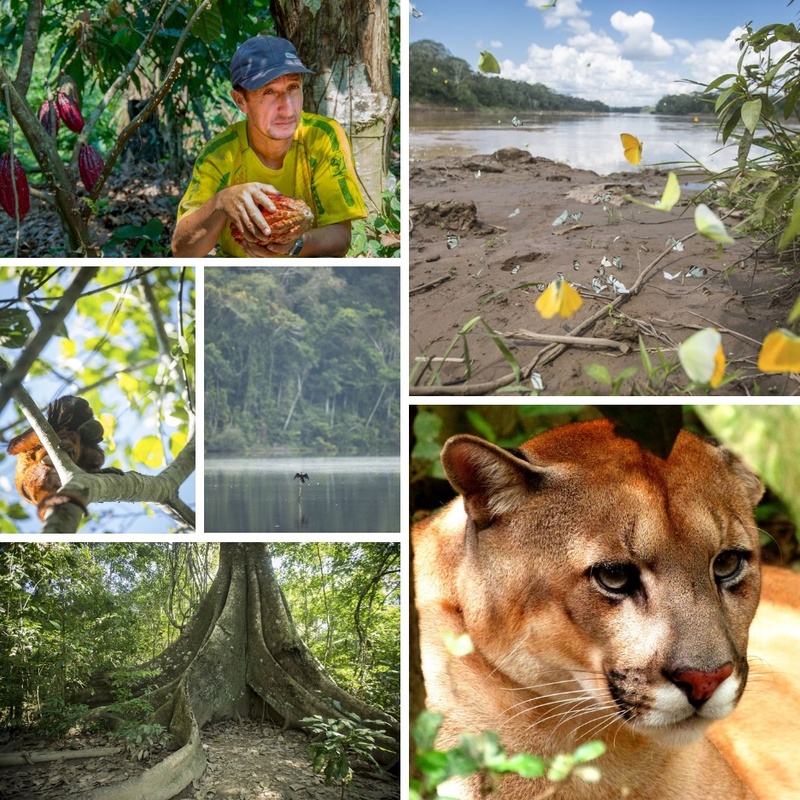
Situated on the Bolivian border in the Madre de Dios region of Peru, this project takes place in the Natural Protected Areas (NPAs) of Tambopata National Reserve and a sector of Bahuaja-Sonene National Park. The implementation by the Peruvian NGO, AIDER, is expected to prevent 457,750 tCO2e from entering our atmosphere each year, over a lifetime of 20 years.
The project aims to create an economic buffer zone around a 591,119-hectare forest to protect the rainforest area and provide local people with forest-friendly and sustainable livelihoods. To do so, it employs four primary measures:
- establishing conservation agreements for identified critical areas;
- promoting sustainable economic activities;
- surveillance and control within NPAs;
- and strengthening forest governance.
The conservation agreements are designed to offer tangible and periodic benefits to local settlers in exchange for real conservation commitments. To promote sustainable economic activities, support related to financial resources, technical assistance and commercial assistance is provided for families from farmhouses and settled communities. The project also provides technical support for community surveillance committees, park rangers' training, and infrastructure and equipment upgrades at checkpoints. In addition, agreements between institutions are established to allow for better governance of resources within the project area and its leakage belt.
The project has also been certified under Verra's Climate, Community and Biodiversity Standard (CCBS), demonstrating its commitment to bringing significant co-benefits to local people and nature. Such benefits vary from preventing deforestation, which leads to GHG emissions reductions, to providing tropical rainforest habitat for an incredible variety of rare and endangered wildlife species inhabiting these areas. It additionally provides an array of socio-economic opportunities by offering jobs such as tour guides or sustainable agriculture workers, thus giving communities more alternatives than simply turning their focus towards illegal industries like poaching or logging.
Verification
This project is verified by the Verified Carbon Standard. You can view it on the Verra Registry here.